Gentle Gym Exercises for the Over-50s
Walking into a gym for the first time in years, or ever, can feel daunting. The rows of machines, the clanking weights and the twenty-somethings in matching gym kit can make it seem like a place that isn’t meant for you.
It is meant for you. In fact, there’s a good case that the gym matters more after 50 than at any other age. From our forties onwards we gradually lose muscle and bone strength, and our balance starts to slip. The good news is that regular, gentle exercise slows all three, and a gym is one of the easiest places to do it safely.
You don’t need to lift heavy weights or work up a pouring sweat. The exercises below are gentle, easy to learn and kind to your joints. Most use machines, which guide your movement and make it hard to get the technique badly wrong.
Before you start
If you have a heart condition, high blood pressure, diabetes, joint problems or you’re recovering from an operation, have a word with your GP before starting something new. It’s also well worth booking the free induction most gyms offer. A member of staff will show you how to set up each machine for your height, which makes a real difference to comfort and safety.
A few golden rules:
- Start lighter than you think. You should be able to finish each set feeling you could have done two or three more.
- Breathe out as you push or pull, and never hold your breath while lifting.
- Move slowly and smoothly. Count two seconds up and two seconds down.
- Mild effort is good; pain is not. Stop if anything hurts sharply, especially in a joint.
Warm up: 5 to 10 minutes
Begin on a recumbent exercise bike (the kind with a seat back) or a treadmill at a gentle walking pace. The recumbent bike is a lovely choice if your knees or back complain, because it supports you while you pedal. Aim to feel warm and slightly out of breath, but still able to chat.
1. Seated leg press
This builds strength in your thighs and hips, the muscles you use to climb stairs and get out of a chair.
Sit with your back flat against the pad and your feet hip-width apart on the platform. Push the platform away until your legs are almost straight, but don’t lock your knees. Then slowly bend them back. Do 10 to 15 repetitions.
2. Sit-to-stand
Perhaps the most useful exercise of all, because it practises something you do every day.
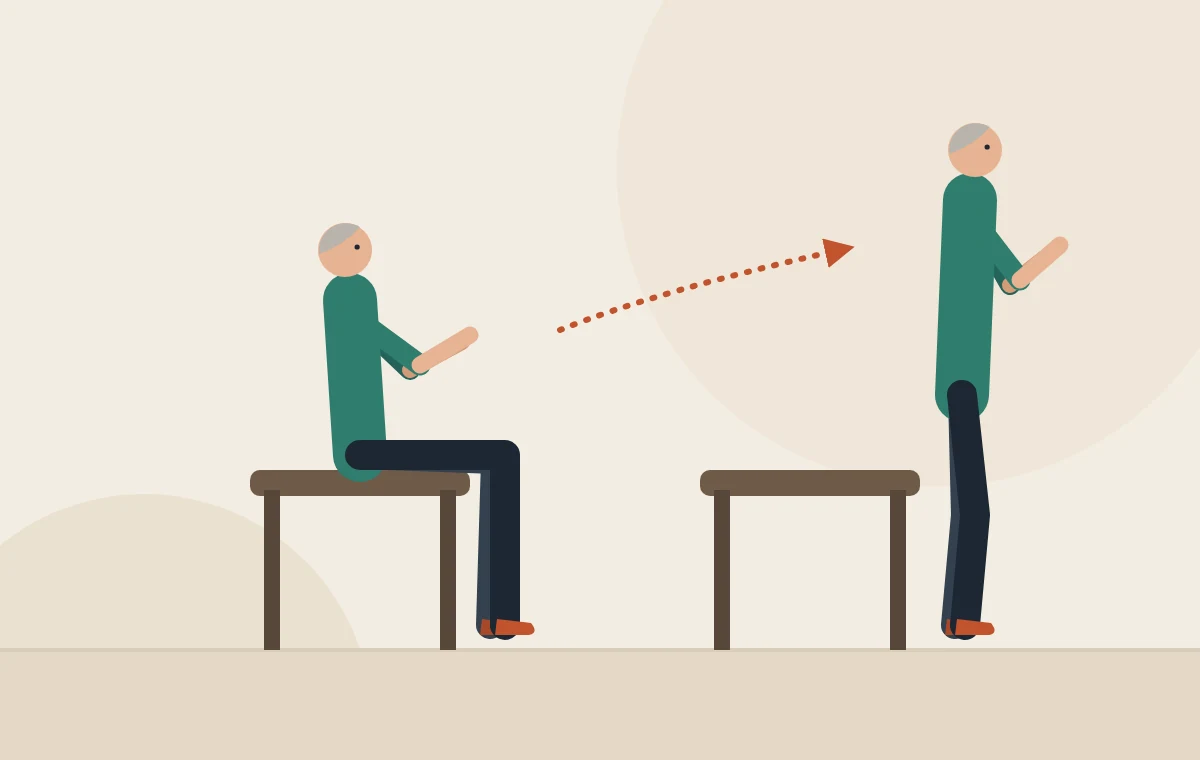
Sit on a sturdy bench, feet flat and slightly apart. Lean forward a little and stand up without using your hands if you can, then slowly lower yourself back down. If it’s too hard at first, use a higher seat or push off your thighs. Once it feels easy, hold a light dumbbell against your chest. Do 10 repetitions.
3. Seated chest press machine
This strengthens your chest, shoulders and the backs of your arms, which helps with pushing open heavy doors or getting up off the floor.
Adjust the seat so the handles sit level with the middle of your chest. Push forward until your arms are nearly straight, then return slowly. Do 10 to 15 repetitions.
4. Seated row machine
The row strengthens your upper back. That helps your posture and balances out all the time we spend leaning over phones, steering wheels and desks.
Sit tall with your chest against the pad. Pull the handles towards your ribs, squeezing your shoulder blades together, then let your arms stretch forward again under control. Do 10 to 15 repetitions.
5. Lat pulldown
Another back exercise, this time for the large muscles that help you reach up and lift things down from high shelves.
Sit with your thighs tucked under the pads and hold the bar a little wider than your shoulders. Pull it down to the top of your chest, keeping your back upright, then let it rise slowly. Do 10 to 15 repetitions.
6. Calf raises
Strong calves help keep you steady on your feet and make walking easier.
Stand next to a rail or the side of a machine and hold on lightly. Rise up onto the balls of your feet, pause, then lower your heels slowly. Do 15 repetitions.
7. Glute bridge
This strengthens the muscles of your bottom and lower back, which support your hips and spine.
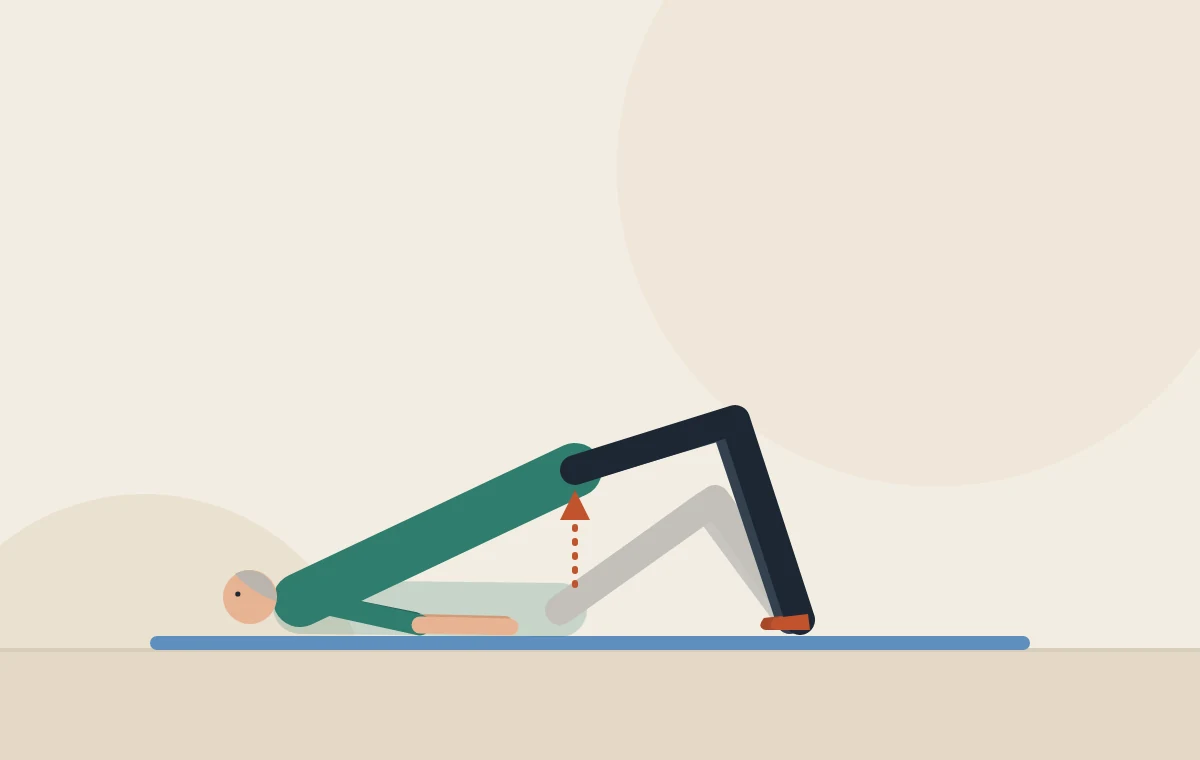
Lie on your back on a mat with your knees bent and feet flat on the floor. Squeeze your bottom and lift your hips until your body forms a straight line from shoulders to knees. Hold for a second, then lower. Do 10 to 12 repetitions.
8. Bird dog
A gentle exercise for your core and balance.
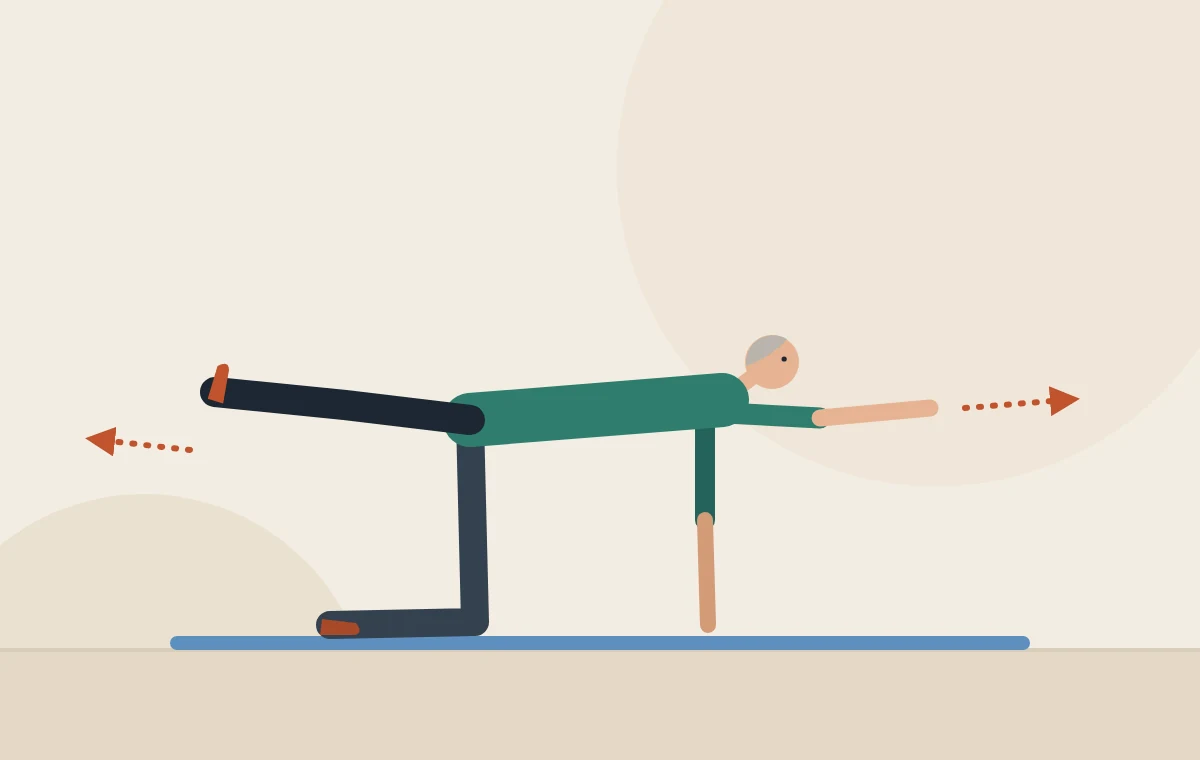
Kneel on all fours on a mat, hands under your shoulders and knees under your hips. Slowly reach one arm forward and the opposite leg back, keeping your back flat. Hold for two or three seconds, return, and switch sides. Do 8 on each side.
9. Single-leg balance
Balance is a skill, and like any skill it fades if we don’t practise it. Practising it is one of the best ways to reduce the risk of a fall.
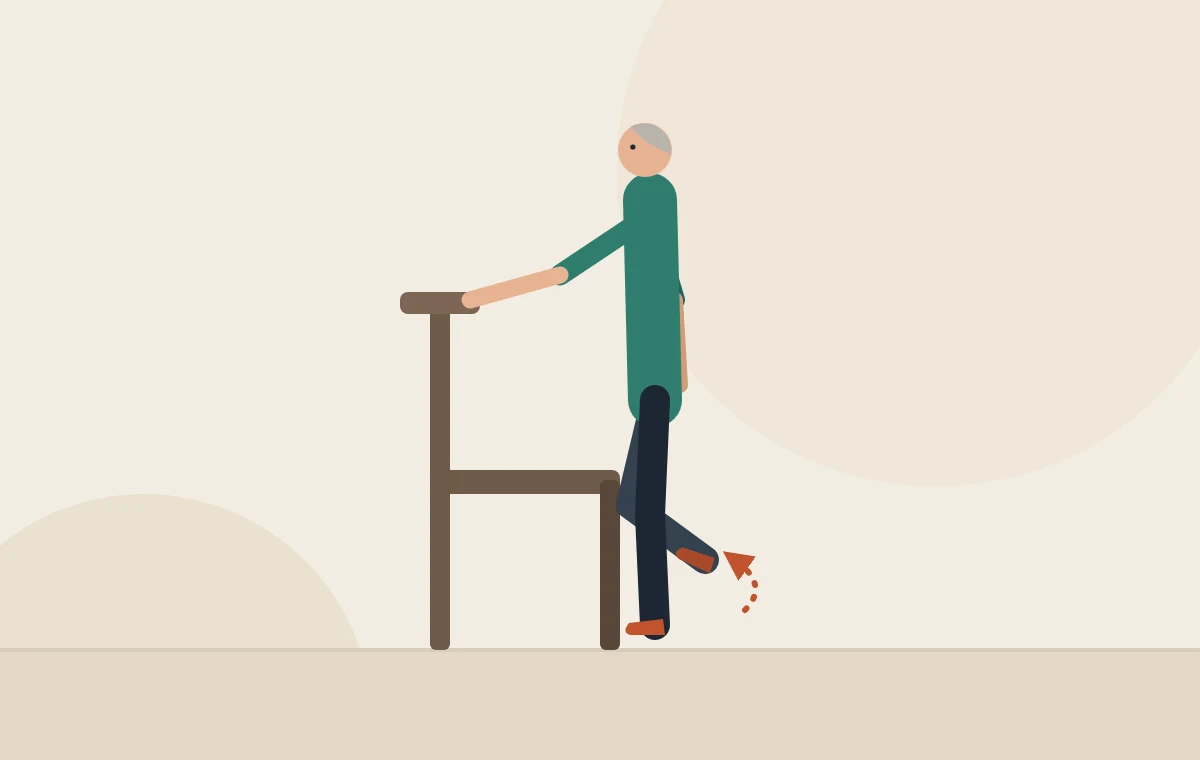
Stand beside something sturdy and lift one foot just off the floor. Hold for up to 30 seconds, then swap legs. Only take your hand off the support when you feel confident, and keep it close.
Cool down
Finish with five minutes of easy pedalling or walking, then some gentle stretches: calves against a wall, the fronts of your thighs while holding a support, and a slow reach across your chest for each shoulder. Hold each stretch for 20 to 30 seconds without bouncing.
Putting it all together
For your first few weeks, do one set of each exercise and rest for a minute or so between them. The whole session, including the warm-up and cool-down, will take around 40 minutes. When it starts to feel comfortable, add a second set, then gradually increase the weight.
Two sessions a week, with at least a day’s rest between them, is a great target. On other days, a brisk walk, a swim or some gardening will keep you moving.
It’s never too late
People who start strength training in their fifties, sixties and beyond still get stronger, steadier and more confident. The first visit is always the hardest. After that, the gym becomes just another part of your week, and one that helps you keep doing everything else you love.
Header photo: Centre for Ageing Better, via Unsplash.